

Afropolik
Afropolik is a kinetic installation that addresses air pollution and the right to breathe. The movement of the motor varies depending on real-time air pollution data, influencing the pressure of a face-like form onto a silicone mat.
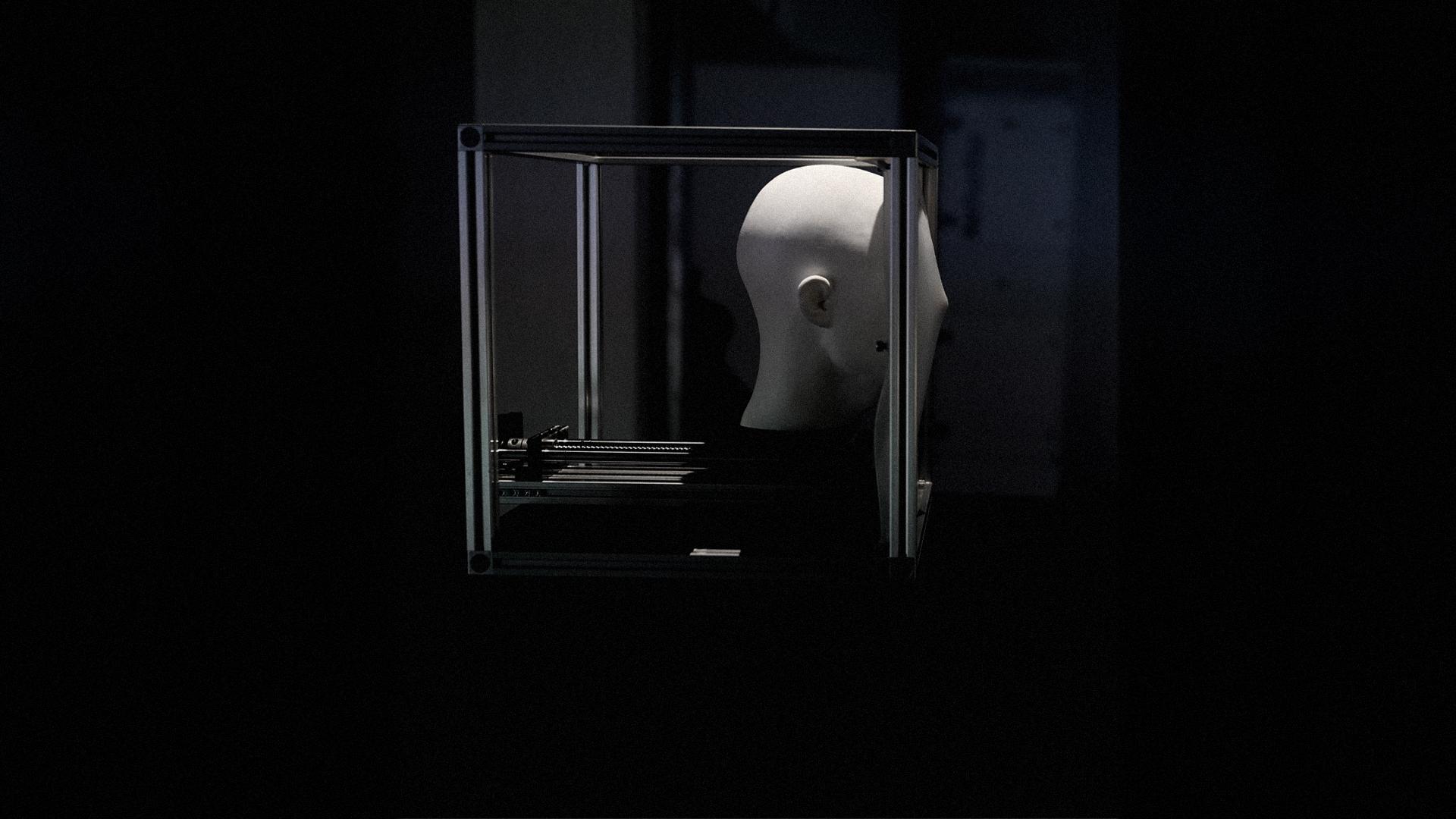
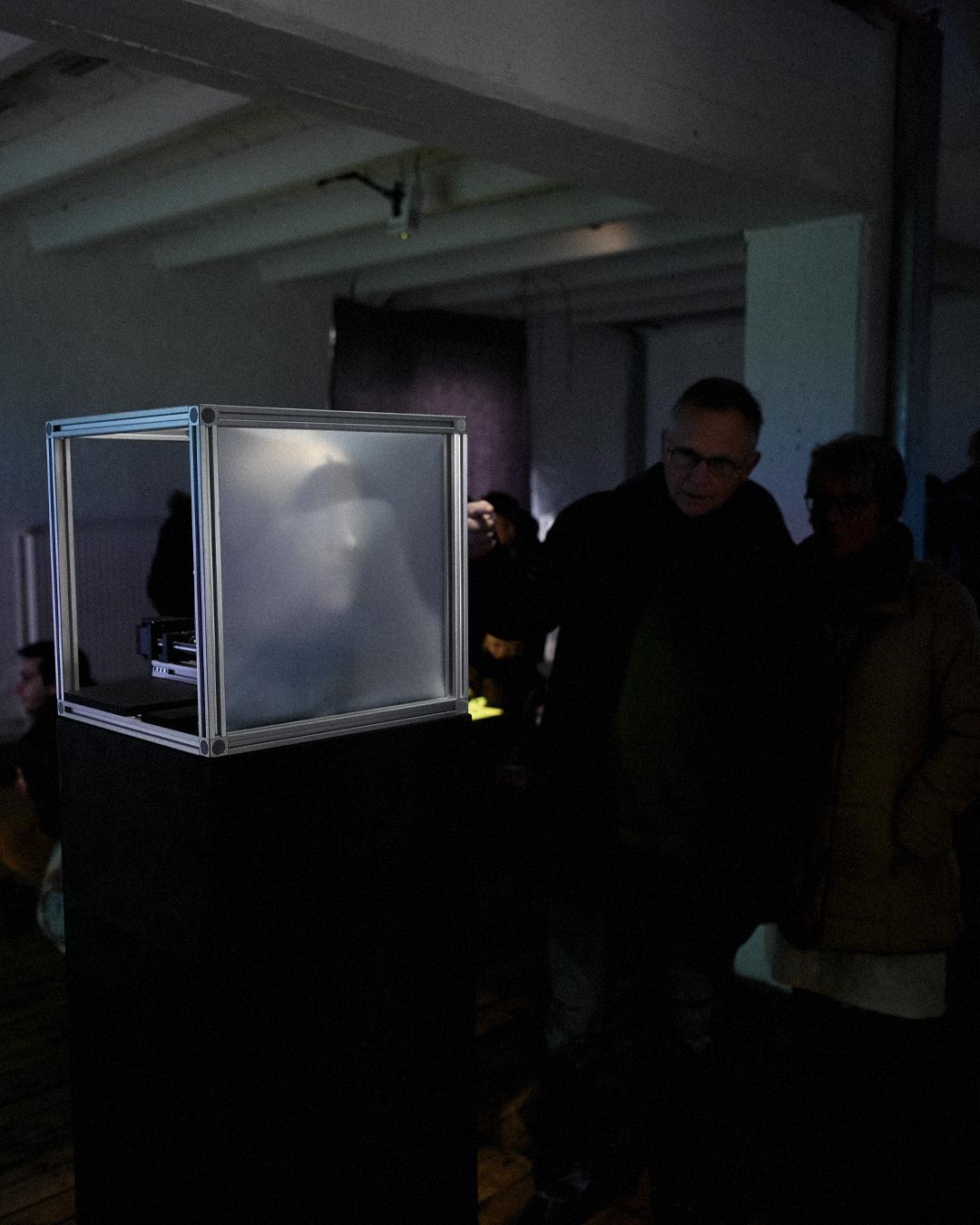
Higher pollutant levels intensify the movement, creating deeper imprints, while cleaner air results in lighter or no traces.
These imprints serve as physical records of the invisible air quality, visualizing the impact of pollution on the human body. By combining mechanical movement and sound, the work alludes to a future where air is controlled and questions the value and social significance of shared breathing space

The final setup was modeled using 3D CAD to visualize the complete configuration. Real measurements were reflected in the model to ensure that all components would fit together accurately, minimizing potential errors during the ordering and assembly process. It was successfully implemented to closely match the 3D CAD model.
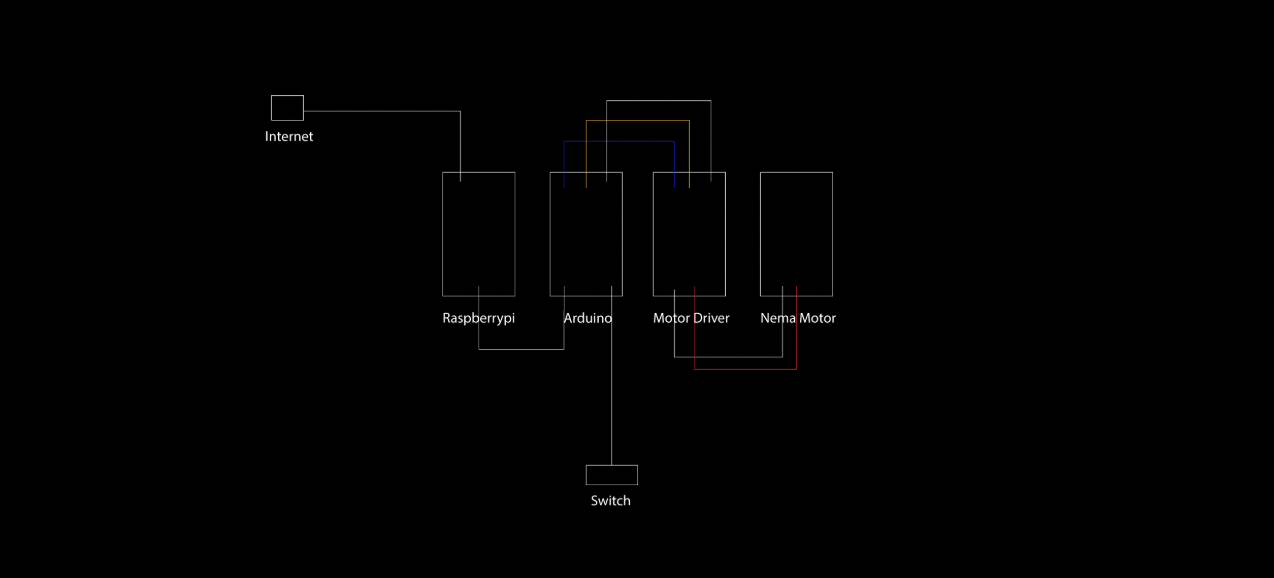
The project operates by receiving real-time fine dust data through Processing, which then controls a motor via Arduino and a connected motor driver. The motor moves according to the fine dust values. To achieve this, the maximum number of steps the motor can take was calculated to set the movement range, and the motor was programmed to move accordingly. Instead of connecting it to a computer, a Raspberry Pi was used so that simply turning on the power would automatically run both Arduino and Processing, making operation easier. The fine dust data updates once every hour, and based on the fact that the API site updates shortly after each hour, the system is set to update the data 10 minutes later to minimize errors. Multiple tests were conducted to refine the system, and this final format was completed as a result.

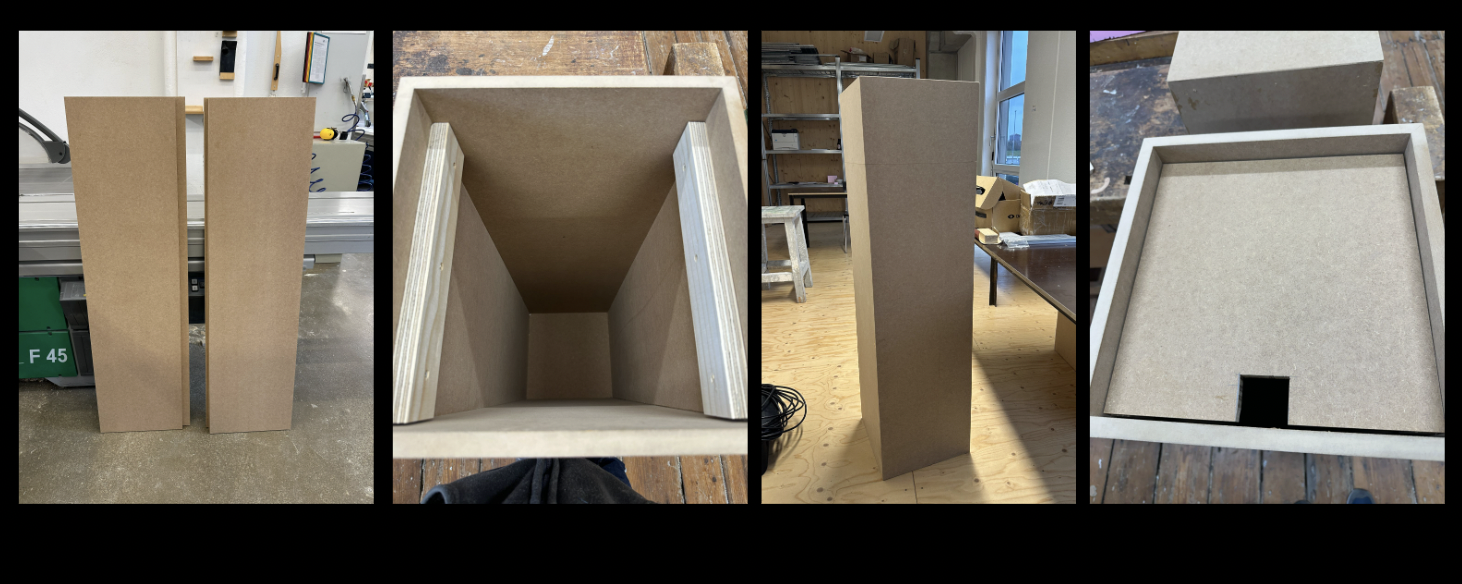
For the overall completeness of the work, I built a pedestal myself using wood, tailored to the size of the frame and adjusted so that people can observe it at eye level. Inside, I created space to place devices like Arduino, Raspberry Pi, and batteries, as well as room to organize the cables. In this way, I was able to complete a clean and cohesive structure.

This work receives real-time air quality data from Seoul via an API using Processing. The API was obtained from the website on the right. In Processing, the data is recalculated into a range of motion and updated every hour.

The sound was created using Pure Data, which is linked in real-time with Processing. The sound changes dynamically based on the degree of movement. For this, a breathing sound was used and combined with noise effects to complete the audio.


Photos by: Lars Gonikman